5 Evidence-Based Nutrition Tips for Lasting Weight Loss
Understanding the Basics of Nutrition for Weight Loss
Embarking on a weight loss journey can be both exciting and challenging. With so many diets and tips available, it's crucial to focus on evidence-based strategies that promote lasting results. Here, we delve into five proven nutrition tips that can help you achieve sustainable weight loss.

Prioritize Whole Foods
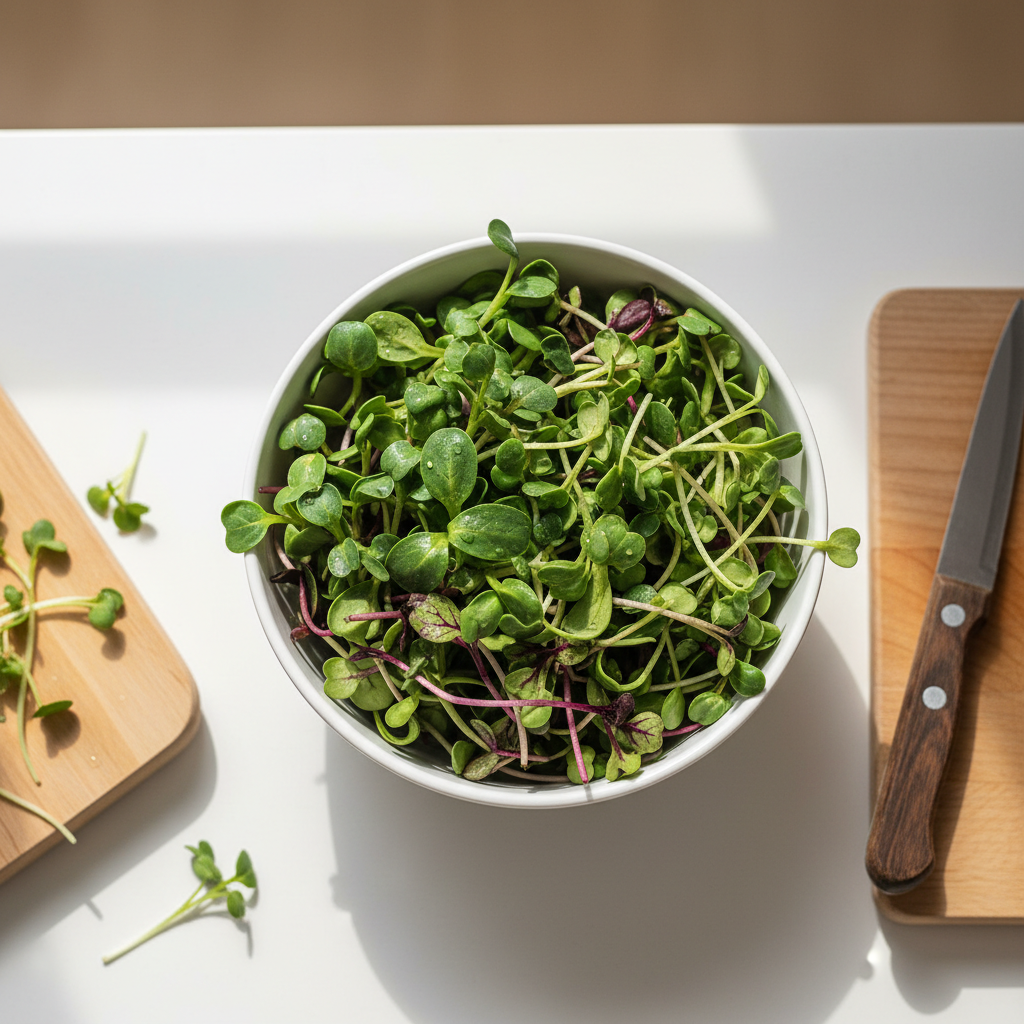
One of the most effective ways to lose weight is by incorporating more whole foods into your diet. Whole foods like fruits, vegetables, lean proteins, and whole grains are rich in nutrients and help keep you full longer. By reducing processed foods and focusing on natural ingredients, you can significantly improve your overall health and support weight loss.
Benefits of Fiber-Rich Foods
Fiber is an essential component of a healthy diet, aiding digestion and promoting satiety. Foods high in fiber, such as beans, lentils, and whole grains, can help regulate your appetite and prevent overeating. Incorporating these foods can lead to better weight management and improved gut health.
Practice Mindful Eating
Mindful eating involves paying full attention to the experience of eating and enjoying every bite. This practice helps you develop a healthier relationship with food and can prevent mindless snacking. Techniques include eating slowly, savoring flavors, and avoiding distractions like television or smartphones during meals.
Recognizing Hunger Cues
Understanding your body's hunger and fullness cues is a vital aspect of mindful eating. By learning to listen to your body, you can avoid unnecessary calorie intake and make more conscious food choices. This approach can lead to a more balanced diet and successful weight loss.

Stay Hydrated
Water plays a critical role in weight management. Often, people mistake thirst for hunger, leading to unnecessary snacking. By staying adequately hydrated, you can curb false hunger signals and support your metabolism. Aim to drink at least eight glasses of water a day for optimal health benefits.
Incorporating Water-Rich Foods
In addition to drinking water, consuming water-rich foods like cucumbers, watermelon, and oranges can help keep you hydrated. These foods are low in calories and can contribute to your daily fluid intake while providing essential nutrients.
Plan and Prepare Meals
Planning and preparing your meals in advance can greatly influence your weight loss success. By dedicating time to meal prep, you can control portion sizes, reduce the temptation to eat out, and ensure a balanced diet. This strategy not only saves time but also promotes healthier eating habits.
Creating a Balanced Meal Plan
A balanced meal plan should include a variety of food groups to ensure you are getting all the necessary nutrients. Focus on incorporating proteins, healthy fats, and carbohydrates in each meal to maintain energy levels and support your weight loss goals.